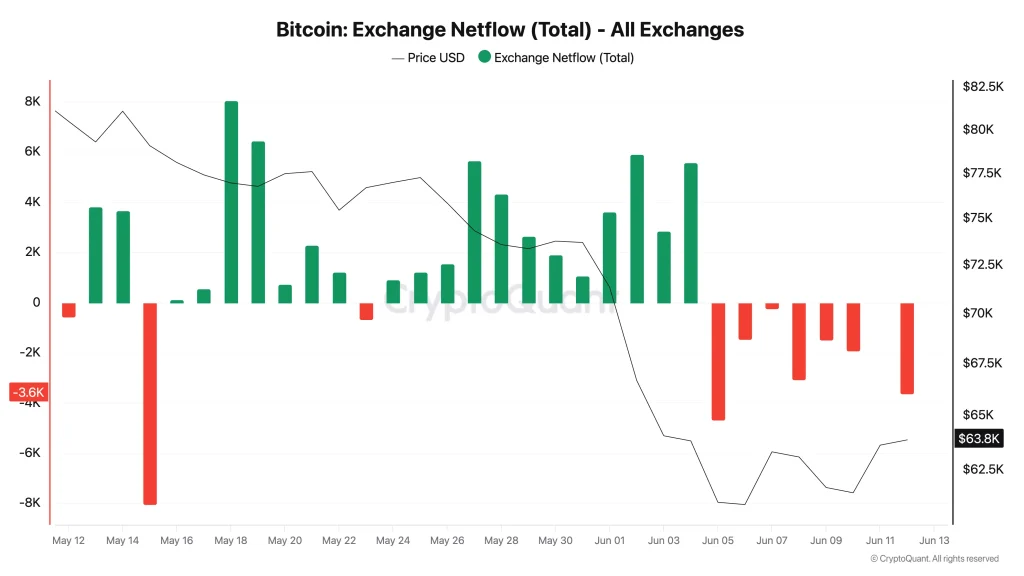
Bitcoin active addresses are frequently used as a shorthand for activity on the Bitcoin network. Headlines comparing the number of active addresses with 2020 can sound alarming, but this single metric cannot tell us whether Bitcoin adoption is rising or falling. A careful comparison requires consistent data definitions, time periods and context.
What Is an Active Bitcoin Address?
An active address is generally a Bitcoin address that appears as a sender or receiver in a transaction during a specified period. Different analytics providers may use different counting methods. One person can control many addresses, and one exchange can manage addresses for many customers. An active address is therefore not the same as an active user.
Why Might Active Addresses Decline?
Possible explanations include changes in exchange operations, wallet address reuse, batching of transactions, fewer speculative transfers, and shifts in how people transact. Off-chain systems and custodial platforms may serve many users without producing a separate on-chain transaction for each payment.
Why Comparisons With 2020 Need Care
Bitcoin’s market structure, institutional participation, transaction fees and wallet infrastructure have changed substantially since 2020. A valid historical comparison should specify the data source, whether it uses daily or monthly active addresses, and whether the numbers are smoothed. This article does not independently establish that current active addresses equal a particular 2020 reading.
Other Metrics Worth Watching
Consider transaction count, adjusted transfer volume, fees, new addresses, exchange balances, the number of economically active entities and Lightning Network activity. None is a complete measure by itself. Price, market liquidity and broader economic conditions can also diverge from on-chain activity.
What Does This Mean for Bitcoin’s Outlook?
A decline in one activity measure is not automatically a bearish forecast. Sustained weakness across several independently measured indicators may warrant closer attention, while growth in other channels may explain a lower address count. Investors should seek current, attributable datasets before drawing a trading conclusion.
Bottom Line
Bitcoin active-address data can be informative, but comparisons with 2020 are meaningful only when they use consistent definitions and account for structural changes. Treat dramatic single-metric headlines as a starting point for research, not a complete market forecast.
For education only; not financial advice.